

4.217 €
Median gross monthly wage
2025, full-time
+ 203 €
Against the previous year
up 5.1 per cent
50.604 €
Annualised
Blue Card bar 50,700 €
Once a year the Federal Employment Agency takes the country's pay photograph, and publishes it a year later. The frame for 2025 appeared this July and comes down to a single number: 4,217 euros. That is what the middle full-time employee in Germany earned gross each month in 2025. The rise is not small: 203 euros on 2024, 5.1 per cent. For anyone thinking of coming to Germany to work, though, the real meaning of the table sits elsewhere, and we come to it at the end.

What the median says, and what it does not
The median is a different measure from the average. It lines the workforce up from lowest paid to highest and reads the value in the middle: half earn less, half earn more. A few very large salaries therefore cannot pull the picture upwards.
The scope of the figure matters as much. The agency counts only full-time employees inside the social insurance system, takes the last day of the year as its reference and caps at the contribution ceiling. Self-employed people, civil servants and part-timers fall outside.
1,271 euros separate the states
Where wages run high, rent usually runs high too. What lands in the account and what is left of it are two different quantities.
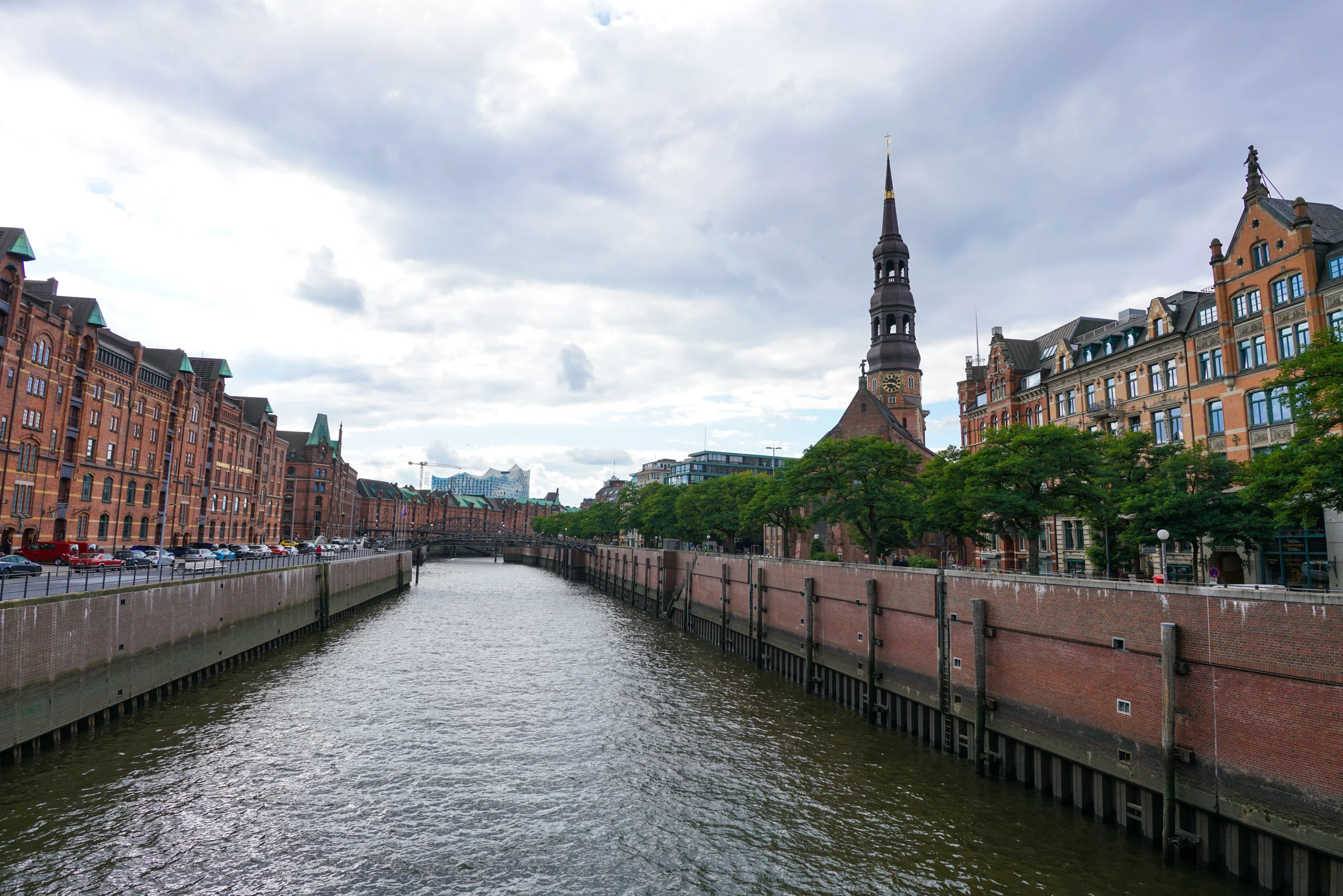
The gap between the northern port city and the eastern states is not new, but neither is it closing. Hamburg leading does not by itself mean life is easier there: where wages are high, so is rent.
What counts when weighing an offer is not the gross figure but what it buys in that city. The same salary can mean a comfortable life in Neuss and a tight budget in Hamburg.
The qualification gap holds
3.133 €
No vocational qualification
4.069 €
Recognised qualification
6.146 €
University graduate
That still does not make the table a guide to choosing a career. Sector, employer size, region and years of experience move the number considerably; the same job title can mean two different wages in two cities. By age the picture runs as expected: under 25 the median is 3,202 euros, and through the middle and later stages it approaches 4,300. For men it is 4,328 euros and for women 4,019; the distance narrowed slightly against last year.
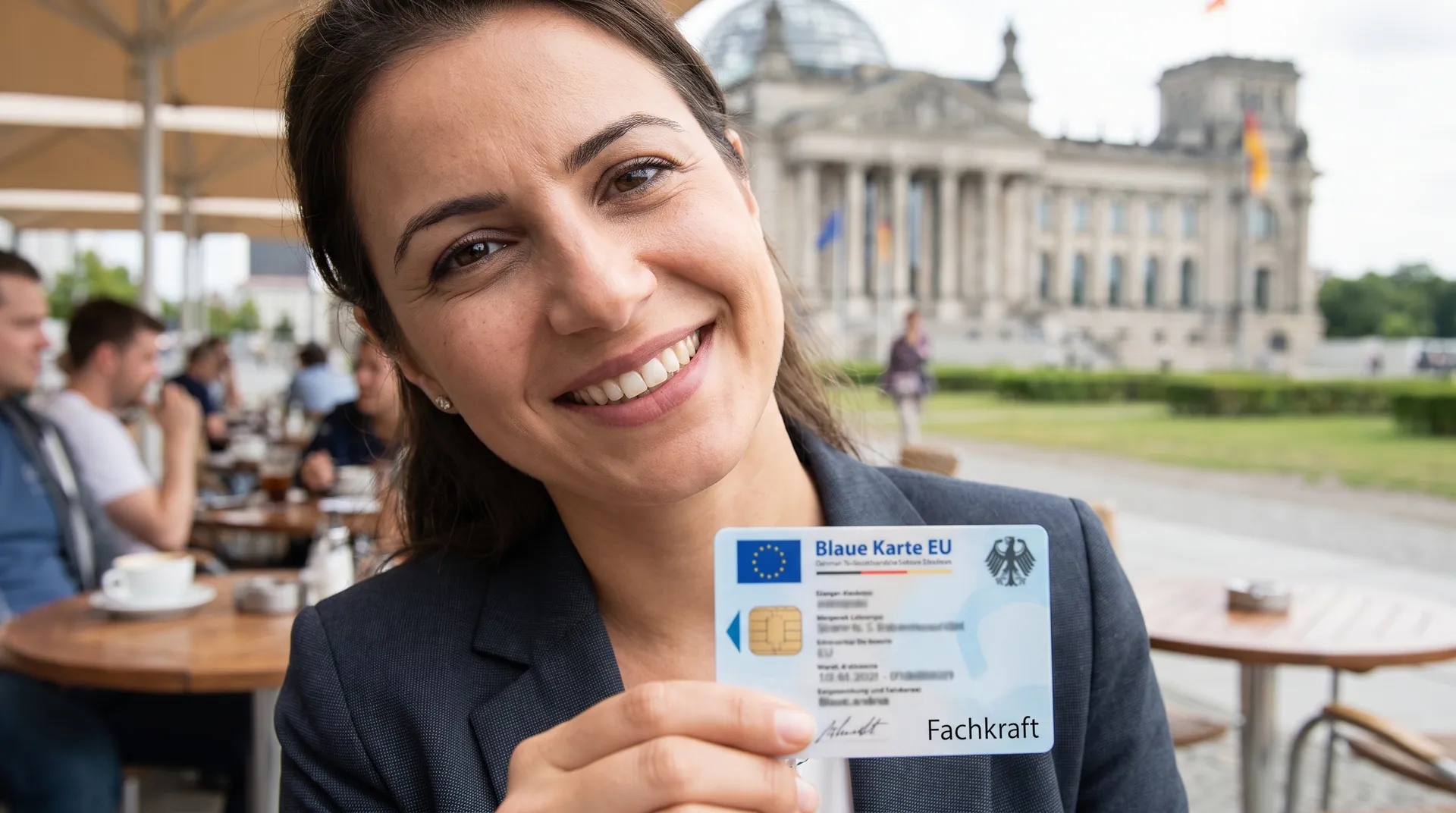
Where this figure sits against the thresholds
50.604 €
Median wage, annual
50.700 €
Blue Card standard bar, 2026
The pay of the middle full-time employee in Germany lands 96 euros below the standard Blue Card bar.
For shortage occupations and recent graduates the bar is 45,934.20 euros, or 3,828 a month, clearly under the median. The experience route sits at 45,630 euros, the same story. Both routes stay open to offers below the country's typical wage. The practical point follows: whether an offer clears a threshold is a separate question from whether it pays well. An above-average offer can fall short of the bar, and a below-average one can clear it through the shortage route. The two are worth keeping apart.
The occupation catalogue was updated too
BERUFENET was refreshed on the same day. A number of occupations changed category: some ceased to count as training occupations and now appear as further-training occupations, while others moved the other way. Certain assistant roles in care and health now sit in a category defined by the length of training. These changes belong to the agency's own classification. How a qualification is assessed in Germany is decided by the recognition authorities and the immigration office; a changed category creates neither a right nor an outcome on its own.